Free Shipping Over $100
 Hassle-Free Returns
 Net 30 Payment
 World-Class Support
Pool Heaters
Extend your swimming season with Poolweb! Top Brands
 Competitive Prices
 Fast Shipping
 Expert Support
 Top Brands
 Competitive Prices
 Fast Shipping
 Expert Support
- Poolweb
- Pool Equipment
- Pool Heaters
Shop Pool Heaters


Popular Products


Buyers Guide
Whether you just prefer a warmer pool during the summer or you're hoping to stretch your swimming season a little further beyond Labor Day, Poolweb can help you find the right heater for your pool!
We offer several different heating options, including natural gas, propane, and electric heaters, so you can find the right fit for your pool, your budget, and how you like to use your pool.
Power Source Comparison
When deciding between an electric and a gas pool heater, there is no single best option - only the right choice for your specific budget, usage habits, and climate, as broken down in the comparison table below.
| Gas Heaters | Electric Heaters | |
|---|---|---|
| Available Options | Natural Gas & Propane | Heat Pumps & Electric Spa Heaters |
| Best For | Fast heating and extending your swimming season | Efficiently maintaining comfortable water temperatures |
| Heating Speed | Fast | Gradual to Moderate |
| Ideal For | Pools that need quick temperature increases | Pools, spas, and homeowners focused on energy efficiency |
| Key Benefit | Quickly heats your pool when you want to swim | Efficiently maintains your desired water temperature |
| Fuel Source | Natural Gas or Propane | Electricity |
| Best Use | Heating your pool quickly or on demand | Maintaining temperature throughout the swimming season |
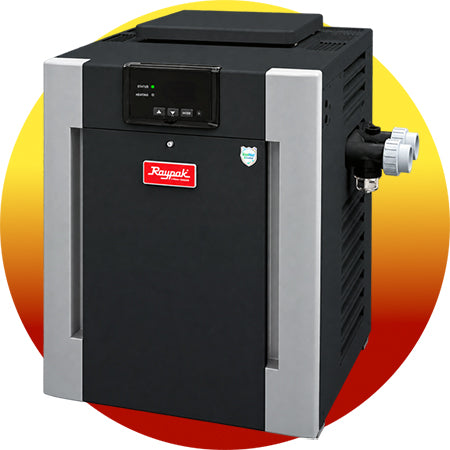
Gas Pool Heaters
Fast, powerful heating whenever you want to swim. Gas pool heaters use either natural gas or propane to quickly raise your pool's water temperature. They're a great choice if you want to heat your pool quickly, extend your swimming season, or simply don't want to wait days for your pool to reach a comfortable temperature.
Gas heaters are a great choice if you want:
- Fast pool heating
- Quick temperature recovery
- On-demand heating
- A longer swimming season
- The flexibility of natural gas or propane
Natural Gas or Propane?
The biggest difference between the two is the fuel source. Natural gas heaters connect to your home's natural gas supply, while propane heaters use a propane tank.
If your home already has natural gas, that may be the easiest option. If natural gas isn't available where you live, propane can be a convenient alternative.
Electric Heaters
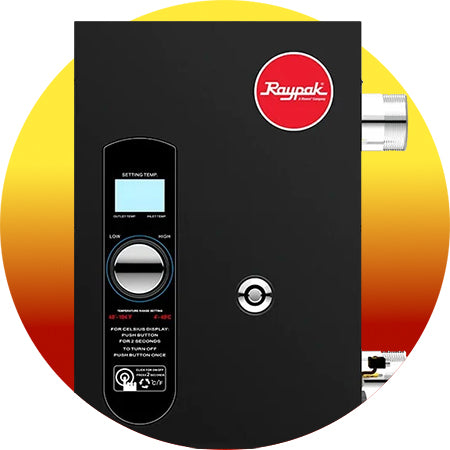
Efficient heating for comfortable, consistent water temperatures. Electric pool heaters include heat pumps and electric spa heaters, giving you several options for keeping your water comfortable throughout the season.
Heat pumps are especially popular for maintaining pool temperatures and extending the swimming season, while electric spa heaters are designed for smaller bodies of water, such as spas and hot tubs.
Electric heaters are a great choice if you want:
- Energy-efficient heating
- Consistent water temperatures
- Lower operating costs in the right conditions
- An extended swimming season
- A heating solution for pools or spas
What Size Pool Heater Do I Need?
Once you've narrowed down the type of heater you want, the next question is usually: "What size heater do I need?"
A common starting point for sizing a gas pool heater is approximately 100,000 BTUs for every 10,000 gallons of pool water. However, pool size isn't the only factor that goes into choosing the right heater.
Things like your desired water temperature, local climate, pool location, swimming season, wind exposure, and whether you use a pool cover can all affect how much heating power you need.
For electric heaters and heat pumps, sizing up can be beneficial if you want to heat your pool faster or maintain your desired temperature more easily. Always check the manufacturer's sizing recommendations for the specific heater you're considering. If you're not sure what size heater you need, we're happy to help!
Tools & Calculators
Saltwater Installations
If you have a saltwater pool, you'll want to make sure the heater you choose is compatible with your salt system. In many cases, this means selecting a heater with a cupro-nickel heat exchanger.
Why does this matter? Saltwater can be tough on certain heat exchanger materials. Using a standard heat exchanger in a saltwater pool can lead to premature corrosion and damage to your heater, and that's definitely something we want to avoid!
Always check the manufacturer's specifications to make sure your heater is approved for use with your particular salt system. Using an incompatible heater may also void the manufacturer's warranty.
Buying a Pool Heater in California?
If you're in California, there are some important changes to pool and spa heating requirements that you should know about before choosing a new heater.
California's 2025 Building Energy E iciency Standards took effect January 1, 2026, and include new requirements for pool and spa heating systems. For applicable projects, the primary pool or spa heating system generally must use a heat pump, solar heating, or another qualifying system that meets the state's renewable or recovered energy requirements.
What Does This Mean for Your Pool?
If you're building a new home or pool in California, or planning a new pool heating system, it's important to check the requirements that apply to your specific project before purchasing a natural gas or propane heater.
For many new construction projects, an electric pool heat pump may be the better choice for meeting California's current energy requirements while also providing an efficient way to maintain a comfortable pool temperature.
These requirements do not mean that every existing gas pool heater needs to be removed or replaced. Requirements can vary depending on the project, the property, and whether you're installing a new system or replacing existing equipment. Planning a new pool in California? Before purchasing a heater, check with your local building department or qualified pool professional to make sure the equipment you choose meets the current requirements for your project.
Your Heater Is Installed, Now What?
Okay, so you've got your heater picked out and your pool is nice and warm. But now you want to make sure you're getting the most out of it and not sending all that expensive heat right back into the air.
That's where a pool cover comes into play!
Using a solar or thermal pool cover while heating your pool can significantly reduce heat loss, especially when temperatures drop overnight or when the pool isn't being used. In fact, a thermal pool cover can help reduce heating costs by as much as 50% to 70% when used consistently.
| Solar Pool Cover | Thermal Pool Cover | |
|---|---|---|
| Primary Benefit | Helps absorb solar heat and reduce evaporation | Helps retain heat and reduce evaporation |
| Best For | Adding some heat during sunny days | Maintaining water temperature and reducing heat loss |
| Heat Retention | Good | Excellent |
| Ideal Use | Summer pools and sunny climates | Heated pools and extended swimming seasons |
| Energy Savings | Helps reduce heating demands | Can significantly reduce heating costs |
A pool heater and pool cover can make a great team. Your heater gets the water to the temperature you want, while your cover helps keep that heat where it belongs, in your pool!
What is the best type of pool heater?
The best pool heater depends on how you use your pool and what matters most to you. Gas pool heaters, including natural gas and propane models, are a great choice when you want fast heating and quick temperature recovery. Electric pool heat pumps are an excellent option for efficiently maintaining a comfortable water temperature throughout the swimming season. Electric spa heaters are designed for smaller bodies of water, such as spas and hot tubs.
When choosing a pool heater, consider your pool size, desired water temperature, local climate, swimming season, available fuel sources, and how frequently you plan to heat your pool.
Are gas or electric pool heaters better?
Neither type is automatically better. Gas and electric pool heaters are designed to meet different heating needs.
Gas pool heaters are known for fast heating and are a good choice if you want to raise your pool temperature quickly or heat your pool on demand. They are available in both natural gas and propane models.
Electric heat pumps are designed to heat water efficiently and are particularly well suited for maintaining a consistent pool temperature. They work by transferring heat from the surrounding air into your pool water. The right choice depends on your pool, your climate, your desired temperature, and how you plan to use your heater.
What is the difference between a natural gas and propane pool heater?
Natural gas and propane pool heaters work in a similar way, but they use different fuel sources.
A natural gas pool heater connects to an existing natural gas supply. A propane pool heater uses propane stored in a tank. If your home already has natural gas service, a natural gas heater may be a convenient choice. If natural gas is not available, propane can provide another option for heating your pool.
How quickly will a gas pool heater heat my pool?
Gas pool heaters are known for their ability to heat pool water relatively quickly. The actual heating time depends on several factors, including the size of your pool, the heater's BTU output, your starting water temperature, your desired temperature, outdoor temperature, wind, and whether you are using a pool cover.
A properly sized gas pool heater can be a great choice for homeowners who want to heat their pool when they are ready to swim instead of relying primarily on gradual temperature increases.
How does an electric pool heat pump work?
An electric pool heat pump uses electricity to capture available heat from the surrounding air and transfer that heat into your pool water.
Unlike a gas heater, which generates heat by burning fuel, a heat pump moves existing heat from the air into the water. This makes heat pumps an energy-efficient option for maintaining comfortable pool temperatures.
Because heat pumps rely on the surrounding air, their performance can vary depending on outdoor temperature and weather conditions. They are generally best suited for maintaining water temperature rather than quickly raising the temperature of a cold pool.
Are pool heat pumps energy efficient?
Yes. Pool heat pumps are designed to provide efficient heating by transferring heat from the surrounding air rather than generating heat through combustion. Their efficiency can make them an attractive option for homeowners who want to maintain a comfortable pool temperature throughout the swimming season. Actual operating costs will vary based on factors such as outdoor temperature, pool size, desired water temperature, local electricity rates, and how often the heater is used.
How much does it cost to heat a pool?
There is no single cost to heat a pool because operating costs can vary significantly from one pool to another.
Factors that can affect pool heating costs include:
- Pool size and water volume
- Desired water temperature
- Outdoor temperature and climate
- Type and size of pool heater
- Natural gas, propane, or electricity rates
- How frequently the heater is used
- How long the swimming season lasts
- Wind exposure
- Whether the pool is covered when not in use
- A pool cover can make a significant difference in heating costs by helping reduce evaporation and heat loss. Using a cover consistently can help your pool retain more of the heat produced by your pool heater.
What size pool heater do I need?
Pool heater sizing depends on more than just the number of gallons in your pool. Pool size, desired water temperature, climate, wind exposure, swimming season, and whether you use a pool cover can all affect the size of heater you need.
For gas pool heaters, a common starting point is approximately 100,000 BTUs for every 10,000 gallons of pool water. However, this is only a general guideline and should not replace the manufacturer's sizing recommendations. For electric heat pumps, sizing up can help provide faster heating and make it easier to maintain your desired water temperature.
If you're unsure what size pool heater you need, check the manufacturer's specifications or contact Poolweb for help selecting the right equipment.
What are BTUs, and why do they matter for pool heaters?
BTU stands for British Thermal Unit. It is a measurement of heat energy and is commonly used to describe the heating capacity of gas pool heaters.
The higher the BTU rating, the more heat the heater can provide. However, a higher BTU rating does not automatically mean a heater is right for your pool. The heater needs to be appropriately sized for your pool and your heating goals.
Can I use a pool heater with a saltwater pool?
Yes, but you need to make sure the pool heater you choose is compatible with your saltwater system.
Saltwater pools can be harder on certain metals and components. When selecting a heater for a saltwater pool, pay close attention to the heat exchanger material and the manufacturer's saltwater compatibility requirements.
Many heaters designed for saltwater applications use a cupro-nickel heat exchanger for increased resistance to corrosion. Always check the manufacturer's specifications before purchasing a heater for a saltwater pool.
What is a cupro-nickel heat exchanger?
A cupro-nickel heat exchanger is a component used in some pool heaters to transfer heat from the heating system into the pool water.
Cupro-nickel is a copper-nickel alloy that offers increased resistance to corrosion compared with some standard heat exchanger materials. This can make it a preferred option for certain applications, including some saltwater pools.
If you have a salt chlorine generator, always verify that your selected pool heater and heat exchanger are approved for use with your specific pool system.
Can a pool heater extend my swimming season?
Absolutely! A pool heater can help you enjoy your pool for more of the year by raising and maintaining the water temperature when the weather starts to cool down.
Gas pool heaters can be especially useful when you want to heat your pool quickly during cooler weather. Electric heat pumps can be a great option for efficiently maintaining a comfortable temperature during the swimming season.
Pairing your heater with a pool cover can help reduce heat loss and make it easier to maintain your desired water temperature.
Can I heat my pool overnight?
Yes. Pool heaters can generally be operated when you are not actively swimming, but the best heating schedule depends on your heater type, pool, climate, and desired temperature.
A pool cover can be particularly helpful overnight because cooler air temperatures can increase heat loss. Covering your pool when it is not in use can help retain heat and reduce the amount of work your heater needs to do.
Do I need a pool cover if I have a pool heater?
A pool cover is not required for every pool heater, but it is highly recommended if you want to get the most out of your pool heating system.
A large amount of pool heat can be lost through evaporation, especially when the pool is uncovered. A solar or thermal pool cover can help reduce evaporation and retain heat, allowing your pool heater to work more efficiently.
Using a cover consistently can also help reduce the amount of time your heater needs to operate.
What is the difference between a solar pool cover and a thermal pool cover?
Both solar and thermal pool covers can help reduce evaporation and heat loss, but they are designed with different priorities.
A solar pool cover can help absorb sunlight and transfer some of that solar energy into the pool while also reducing evaporation.
A thermal pool cover is designed primarily to help retain the heat already in your pool. This can make thermal covers particularly useful for heated pools and homeowners looking to extend their swimming season.
Can I use a pool heater to heat my spa?
It depends on the heater and your specific application. Some pool heaters can be used for both pools and spas, while electric spa heaters are specifically designed for smaller bodies of water.
When selecting a heater for a spa, look at the manufacturer's specifications for water volume, temperature range, flow requirements, and intended application.
How warm should I keep my swimming pool?
The ideal pool temperature depends on how you use your pool and your personal preference.
Recreational swimming pools are commonly kept in the upper 70s to low 80s Fahrenheit, while warmer temperatures may be preferred for therapy, exercise, or other specialized uses.
Keep in mind that the warmer you keep your pool, the more energy may be required to maintain that temperature, particularly when outdoor temperatures are lower.
Can I heat my pool during cooler weather?
Yes. A properly selected pool heater can help you maintain comfortable water temperatures even when outdoor temperatures begin to drop.
Gas heaters can provide strong heating performance during cooler conditions, while heat pumps rely on the surrounding air and may become less effective as air temperatures decrease.
If you are planning to use your pool during the shoulder seasons or into cooler weather, consider your local climate and the heater manufacturer's recommended operating conditions when selecting your equipment.
How can I make my pool heater more efficient?
There are several things you can do to help your pool heating system operate more efficiently:
- Use a pool cover whenever your pool is not in use.
- Choose a heater that is properly sized for your pool.
- Maintain the proper water flow through your heating system.
- Keep your pool and filtration equipment properly maintained.
- Follow the manufacturer's recommended maintenance schedule.
- Avoid unnecessarily high water temperatures.
- Consider your local climate and weather conditions when planning your heating schedule.
- One of the simplest and most effective ways to reduce heat loss is to cover your pool when it is not being used.
How long does a pool heater last?
The lifespan of a pool heater depends on the type of heater, how often it is used, water chemistry, climate, maintenance, and installation conditions.
Proper water chemistry and regular maintenance can help protect your heating equipment and extend its service life. Saltwater pools, in particular, require careful attention to equipment compatibility and water chemistry.
Always follow the manufacturer's installation, operation, and maintenance recommendations.
Can I install a pool heater myself?
Pool heater installation requirements vary depending on the type of heater. Gas pool heaters require appropriate gas connections, ventilation, electrical connections, plumbing, and other installation considerations. Electric pool heaters and heat pumps also have specific electrical and plumbing requirements.
Because improper installation can create safety hazards or damage equipment, pool heaters should be installed according to the manufacturer's instructions and applicable local codes. A qualified professional may be required depending on the equipment and your local requirements.
What should I consider before buying a pool heater?
Before purchasing a pool heater, consider:
- Your pool's water volume
- Your desired water temperature
- How quickly you want your pool to heat
- How often you plan to use the heater
- Your desired swimming season
- Your local climate
- Available natural gas, propane, or electrical service
- Your pool's exposure to wind and weather
- Whether you have a saltwater pool
- Whether you plan to use a solar or thermal pool cover
- The heater's BTU output or heating capacity
- Manufacturer installation and operating requirements
- Taking these factors into consideration can help you choose a pool heater that fits both your pool and the way you plan to use it.
Shop All Heaters

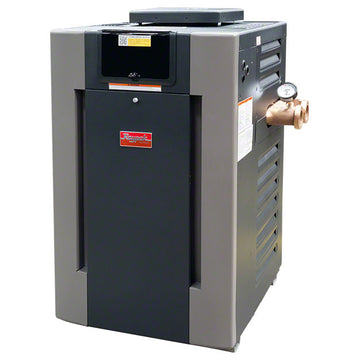
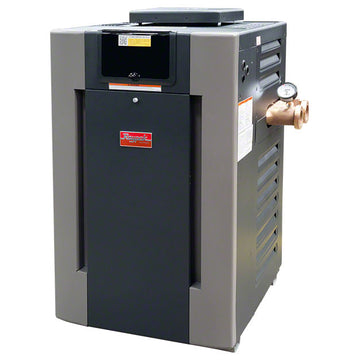
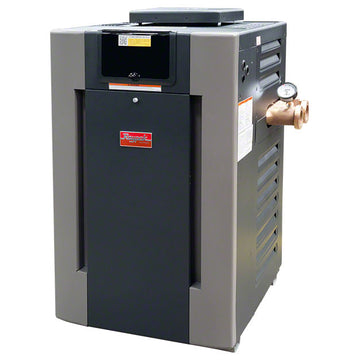
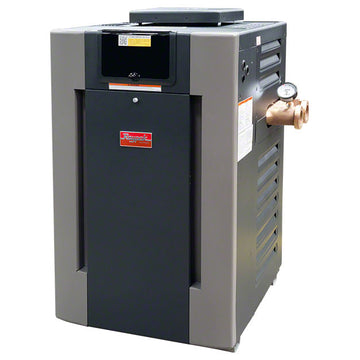


Swimming Pool and Spa Heaters
A pool heater can vastly improve your swimming experience by allowing you to enjoy your pool all year-round. Unlike other heating sources, such as solar covers or manual heating, a pool heater provides an efficient and consistent method of warming the water in your pool.
Additionally, a pool heater can extend the length of your swimming season, allowing you to enjoy warm water even during colder months. By providing efficient temperature control and reliable performance, a pool heater can significantly improve the overall comfort and enjoyment of your swimming experience. Furthermore, with proper energy-efficient models, you can also reduce operating costs associated with running a pool heater. Therefore, investing in a quality pool heater is an excellent way to increase comfort levels for swimmers as well as potentially saving on energy costs in the long run.
Are pool heaters gas or electric?
Pool heaters can be either gas or electric, depending on the model and type of swimming pool. Gas heaters use natural gas or propane, while electric heaters use standard electricity. Gas heaters are typically more expensive to install but may provide a cost-savings in the long run as they are generally more efficient than electric models. Additionally, gas heaters have the advantage of being able to provide a faster heating time and higher temperatures than an electric heater can manage.
Electric pool heaters, however, tend to be less expensive up front and require less maintenance over time. They also offer more precise temperature control and are quieter in operation than their gas counterparts. They could be more expensive to run long term depending on your local cost of electricity.
Who are the major pool heater manufacturers?
The pool heating industry is dominated by several major manufacturers, including Hayward, Coates, Lochinvar, Pentair, and Raypak. These companies produce a wide range of pool heaters, from energy-efficient models to high-powered commercial units.
- Hayward pool heaters are highly regarded as top-tier, reliable systems that balance fast heating performance and strong energy efficiency.
- Raypak is a well-known name in the pool heating world, producing gas-fired heaters that are renowned for their efficiency and durability. Their products range from small, residential units to large commercial heaters capable of heating Olympic-sized pools.
- Coates has been manufacturing pool heaters for over 60 years and is known for producing high-quality, reliable heaters. Their line of electric heaters is particularly popular, offering precise temperature control and easy integration with pool automation systems.
- Lochinvar is a leading manufacturer of gas-fired pool heaters, offering both natural gas and propane models. Their heaters feature high-efficiency ratings, durable construction, and advanced diagnostic systems for easy troubleshooting.
- Pentair is another major player in the pool heating industry, offering a full line of heaters for both residential and commercial applications. Their units are designed to be user-friendly, with intuitive controls and easy-to-maintain components.
Overall, these major manufacturers offer consumers a wide range of options for heating their pools, with each company bringing their own unique strengths to the market. Regardless of which brand consumers choose, they can rest assured that they are getting a quality product that will provide reliable heating for years to come.